
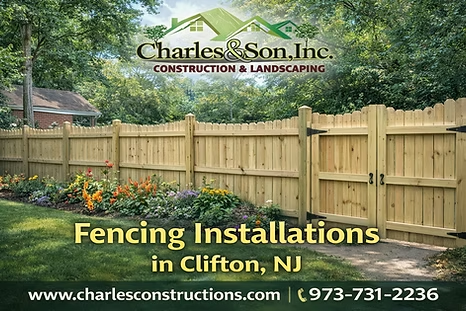
Putting up a fence is not just digging holes and calling it a day. There is work to do before that. Many homeowners feel lost at the start. That is normal. Soil, yard space, and rules all play a part. When prep work is done right, the fence lasts longer and looks good. This guide breaks it down in a simple way so anyone can understand what comes first and why it matters.
Fence prep is the base of the whole job. Skip it, and trouble shows up fast. Posts may lean. Panels may crack. Repairs cost money and time.
Most people want a fence for privacy, pets, or peace of mind. Prep work helps make that happen. It also keeps stress low and surprises away.
For Fencing Installations in Clifton, NJ, prep matters even more. Each yard is different. Some have rocks. Some hold water. Planning helps handle all of it with less hassle.
First things first. The yard needs a look over. This step is simple but key.
Things to check include:
● Slopes or hills
● Trees and roots
● Old fence parts
● Wet spots
● Space for tools
A flat yard is easy. A sloped yard needs more thought. Either way, checking early keeps things smooth.
No one wants fence drama with neighbors. That often starts with lines that are not clear.
It helps to:
● Check your survey
● Mark lines
● Talk with neighbors
This step saves headaches later.
Soil is not the same everywhere. Some soil is soft. Some are hard. Some stay wet.
Soil affects:
● How deep posts go
● What tools are used
● How long the job takes
Clay soil holds water. Sandy soil shifts. Prep work plans for this so posts stay strong.
Water can weaken fence posts over time. That is why drainage matters.
Prep includes:
● Seeing where water flows
● Fixing low spots
● Planning post spots
This is also helpful for Fencing Installations in Maplewood, NJ, where yards may have older layouts.
Most towns have fence rules. These rules cover height, style, and place.
Common rules include:
● Fence height limits
● Front yard rules
● Setback space
Skipping this step can lead to fines or removal. Prep work includes checking rules first.
Some fences need permits. Some do not. It depends on size and type.
Getting permits early:
● Keeps things legal
● Stops delays
● Brings peace of mind
Paperwork now saves stress later.
Fence prep also means picking the right kind of fence. Each type needs different prep.
We offer:
● All types of Vinyl
● Wood
● Chain Link and Aluminum Fences
● Dog Kennels
● Composite Decking
● All Types of Wood Decking
● Pergolas, Arbor and Gazebos
Wood needs strong posts. Vinyl needs level ground. Chain link needs straight lines. Prep matches the fence to the yard.
Homeowners can help speed things up with small steps.
● Clear toys and tools
● Trim bushes
● Mark sprinklers
● Clear gate paths
● Talk with neighbors early
These steps help the job move fast and safely.
Q. How long does fence prep take?
Ans: It can take hours or a few days. Yard size and soil matter.
Q. Can prep work be skipped?
Ans: Skipping prep leads to problems later.
Q. Does rain change prep plans?
Ans: Yes. Wet ground can slow digging.
Q. Do I need to be home?
Ans: It helps, but clear talks make it easy either way.
Fence prep sets the stage for a strong and clean install. From soil checks to rule checks, each step counts.
We listen, plan, and build with care at Charles and Son Construction & Landscaping. Whatever you need; vinyl, PVC, wood, or chain link; we deliver with quality and service. Our skilled crew makes installs fast and simple. We also respond fast to repairs and offer free estimates.
If you are thinking about a new fence, reach out to us today. Let us help you build something solid that fits your yard and your life!

Charles and Son Construction & Landscaping is one of the premier full service landscaping companies in Essex, Union, Morris and Passaic counties.
© Copyright Charles & Son, Inc 2026. All Rights Reserved. Developed By DigitalGuider