Soggy soil and heavy rain can quickly damage your backyard and outdoor areas. Excess water can create muddy spots, harm grass, and affect nearby foundations. Professional retaining wall installation in Livingston, NJ, can help control water flow and support your sloped yard.
With proper planning, retaining walls can also reduce erosion and improve drainage. The right design gives excess water a clear path away from your home while keeping your landscape stable, attractive, and easier to maintain.
Strong stone walls can block surface water from sloped yards. They guide rushing water toward safer drainage areas. This design helps prevent soil washout during heavy local storms. Proper wall placement can also reduce water flow toward lower parts of your property.
Heavy rain can wash away topsoil from exposed lawn slopes. Strong wall barriers help keep loose soil in place. This protection can stop dirt from washing onto your driveway. Keeping soil in place also helps protect plants, grass, and nearby hardscaping.
Sloped ground can make water move quickly across your yard. Level terraces slow down this water and reduce runoff. This setup helps grass absorb moisture without creating large muddy areas. Terraced areas can also create useful spaces for gardens, plants, or outdoor activities.
Modern wall designs can include perforated pipes behind stone blocks. Gravel channels collect water trapped below the soil. These channels move excess moisture away from your home foundation. Good drainage helps prevent water from building up behind the retaining wall.
Wet soil can place strong pressure against retaining walls. Proper drainage features give trapped water a safe path out. This pressure relief helps keep your outdoor landscape stable. Reducing water pressure can also lower the risk of wall movement over time.
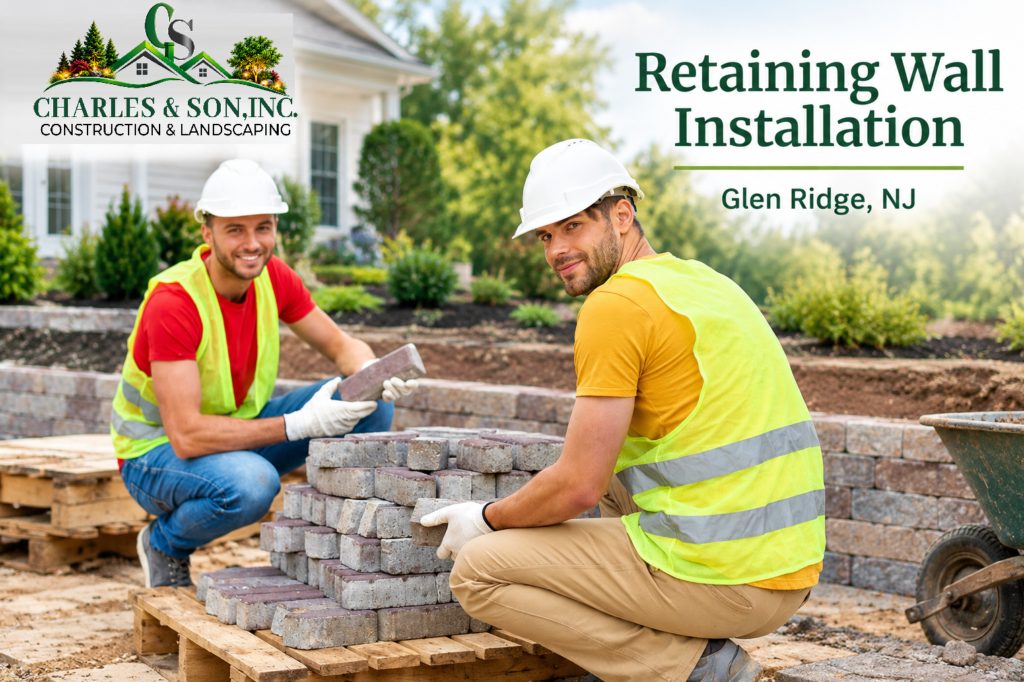
Rainwater can collect around concrete home foundations. Retaining walls can hold soil in place and guide water away. Proper retaining wall installation in Glen Ridge, NJ, can help protect lower areas near your home. Good drainage planning can further reduce moisture around basement walls and foundation areas.
Careful planning can help your wall last longer. It can also improve drainage and keep your yard stable.
Some towns require permits for taller yard structures. Check local building codes before starting excavation work. Following these rules can help prevent fines and construction delays. Local requirements may vary based on wall height, location, and property conditions.
Clay soil holds more moisture than sandy soil. Experts can test the ground before installing wall footings. Proper soil testing helps prevent the wall from leaning over time. Knowing your soil type also helps determine the right foundation and drainage approach.
Concrete blocks and natural stone offer different levels of strength. Choose materials that can handle rain and freezing temperatures. Durable materials help keep your wall level for years. The right material can also complement your home’s existing landscaping and outdoor features.
A retaining wall needs proper gravel backfill to drain well. Crushed stone channels give trapped groundwater a clear path out. Never skip important drainage features during construction. Effective drainage is one of the most important parts of wall construction.
Project costs depend on wall height, length, and materials. Get detailed estimates before buying construction supplies. Planning your budget early can help prevent unexpected costs. A clear budget also helps you prepare for excavation and drainage expenses.
Key Takeaways
Ans: Retaining walls hold soil in place while guiding surface water toward drainage areas. Gravel layers and perforated pipes can also collect trapped groundwater. These features help move excess moisture away from your foundation and outdoor living areas. Proper grading can make these drainage improvements even more effective.
Ans: Yes, a perforated drainage pipe can improve long-term wall stability. It gives groundwater a safe path away from the wall. Without proper drainage, trapped water can create pressure that may cause cracks or movement. A drainage pipe works best when paired with suitable gravel backfill.
Ans: Retaining walls can redirect water flowing from higher ground before it reaches flat areas. Proper land grading can improve these results. Together, these methods can guide excess runoff toward suitable drainage areas. This approach can reduce standing water and improve overall yard conditions.
Ans: Interlocking concrete blocks and natural stone offer strong and durable options. These materials can hold soil securely while supporting drainage features. Gravel channels and drain pipes can then help move groundwater away from the wall. Your property’s soil and slope can influence the best material choice.
Ans: Many standard residential wall projects take two to four days. Steep yards or larger drainage systems may need more time. Excavation, base preparation, drainage work, and block placement can all affect the project timeline. Larger walls may require additional planning, equipment, and preparation before construction begins.
Managing yard water takes smart planning, proper drainage, and durable materials. Land grading and retaining wall installation in Glen Ridge, NJ, can help control runoff and protect your landscape. A well-designed wall can also reduce soil erosion and water pressure near your home.
Choosing suitable materials and drainage features supports long-term stability. For professional hardscaping and drainage solutions, Charles & Son Construction can help improve your outdoor space while creating a safer, cleaner, and more functional yard for your property.

Charles and Son Construction & Landscaping is one of the premier full service landscaping companies in Essex, Union, Morris and Passaic counties.
© Copyright Charles & Son, Inc 2026. All Rights Reserved. Developed By DigitalGuider